

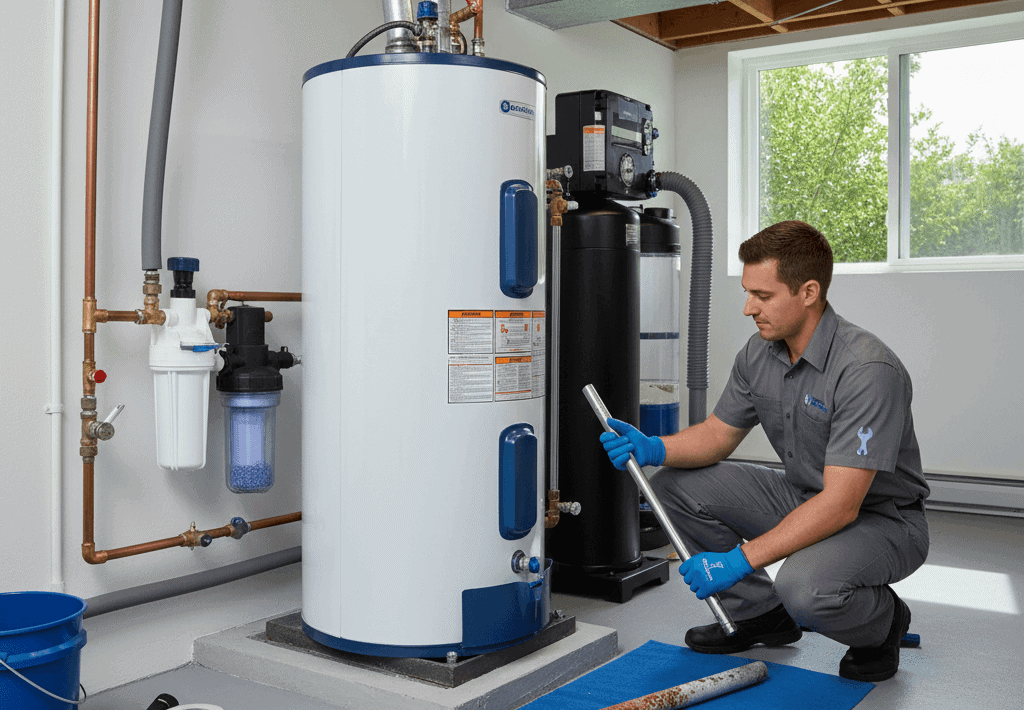
A reliable water heater is one of those household systems most people notice only when something goes wrong. Regular attention to wear factors can extend the life of a tank or tankless unit and keep energy bills from creeping higher. This article focuses on practical steps for preventing water heater wear so you spend less time troubleshooting and more time enjoying hot showers and steady performance.
Whether you own a traditional storage tank or a newer on demand unit, small habits and periodic checks make a big difference. Below you will find clear explanations of common causes of wear, step by step maintenance tasks, and guidance on when to call a technician. The goal is a usable plan you can follow without special tools or jargon.
Preventing Water Heater Wear with Targeted Inspections
Regular inspections are the foundation of reducing wear. A monthly visual check takes a few minutes and can reveal leaks, corrosion, or degradation that would otherwise escalate. Look for rust on the tank surface, pooled water around fittings, and signs of moisture near electrical components or gas lines.
For example, a small weep at a threaded connection may be tightened or resealed quickly. A cloudy discharge in hot water can indicate anode rod depletion or internal corrosion. Document what you find and create a simple checklist. Even basic monitoring helps catch issues earlier, when repairs are less extensive.
Common Causes of Water Heater Wear and How to Address Them
Sediment Build up and Scale Formation
Hard water deposits and sediment settle at the bottom of storage tanks and coat heating elements in electric models. Over time this reduces heat transfer, forces the unit to run longer, and increases stress on components. Speak with your local water utility for hardness levels if you are unsure.
Frequent flushing removes sediments and slows mineral accumulation. In areas with very hard water, adding a descaling schedule or a whole house water softener can reduce the rate of buildup and extend component life.
Corrosion and Anode Rod Depletion
Tanks are vulnerable to corrosion because they hold water for long periods. Manufacturers protect the interior with a sacrificial anode rod that corrodes in place of the steel tank. When the rod is spent, corrosion accelerates rapidly. Typical service intervals for anode rods are every three to five years, but hard water and heavy use can shorten that timeframe.
Checking the rod for wear and replacing it before it is fully consumed is one of the highest impact maintenance actions for preventing premature tank failure.
Routine Tasks to Slow Wear and Keep Performance Stable
Consistent, simple tasks performed on a schedule will reduce wear and catch minor problems early. Below are routine actions grouped by frequency.
- Monthly inspect for leaks, listen for unusual sounds, and confirm the pilot or burner is operating normally on gas units.
- Every 6 months test the temperature and pressure relief valve by lifting the lever briefly to confirm it opens and closes freely.
- Annually flush a storage tank to remove sediment. Replace the anode rod when significant corrosion is visible.
- As needed check electrical connections and elements on electric models and clean the burner area on gas units to maintain steady combustion.
These tasks are low effort and extend component life. An annual inspection that includes flushing and a rod check will reduce the likelihood of an unexpected failure during peak usage months.
Temperature, Pressure and Settings That Reduce Strain
Operating conditions affect wear. Keeping the thermostat at a moderate setting reduces stress on heating elements and lowers pressure inside the tank. A common recommendation is a setting around 120 degrees Fahrenheit. That value balances comfortable hot water with reduced scale formation and less thermal stress.
High pressure in the plumbing system shortens component life. If household pressure routinely exceeds 60 psi consider a pressure reducing valve or consult a plumber to measure and correct the issue. Also confirm the expansion tank is functioning where required. Thermal expansion from heated water increases pressure and can cause leaks over time if not managed properly.
When to Upgrade or Replace Components to Prevent Major Wear
Replacing small parts is more cost effective than replacing the entire unit. Inspecting and replacing worn components will postpone full replacement and prevent sudden failures. Common upgrades include:
- Installing a new sacrificial anode rod if the current one is heavily corroded.
- Replacing faulty thermostats or heating elements on electric heaters to restore correct cycling.
- Swapping out a leaking temperature pressure valve instead of running the unit with a compromised safety device.
- Adding insulation to exposed hot water pipes to reduce heat loss and frequent cycling.
For older tanks approaching the typical 8 to 12 year service life, weigh repair costs against replacement benefits. A new unit can bring improved efficiency and modern safety features, but replacing worn parts can still be a sensible delay tactic when budgets are tight.
DIY Checks and Knowing When to Involve a Technician
There are many useful do it yourself checks that reduce wear with minimal risk. Flushing a tank, testing the T P valve, and changing an anode rod are tasks many homeowners can perform with a little guidance and basic tools. Keep a flashlight, pipe wrench and bucket handy when attempting these jobs and switch off power and fuel sources before starting.
Some situations call for a trained professional. If you detect gas odor, persistent leaks, electrical issues, or if an inspection reveals extensive corrosion, contact a licensed technician. Regular professional inspections can catch subtle trends that DIY checks miss. For scheduled upkeep and deeper concerns consider scheduling professional water heater maintenance to address complex tasks and to get a clear plan for long term care.
Seasonal Tips and Long Term Care to Minimize Wear
Seasons influence how hard a water heater works. Cold winters increase incoming water temperature differences which makes the heater run longer. Before heavy usage seasons perform a quick maintenance sweep: flush the tank, inspect anode rod, test safety devices, and clean vents or flues on gas units. That prep reduces strain during peak demand.
For long term care keep records of dates for each service action. A simple log with dates for flushing, rod replacement, and valve tests helps predict future needs. Pay attention to subtle clues such as slower recovery after showers or a change in water color. Those often precede larger failures and give you time to plan repairs on your schedule.
Practical Examples and Tips That Save Time and Money
Here are practical approaches you can use immediately to limit wear. Start with the easiest items and build a routine that fits your schedule.
- Set a calendar reminder for annual flushing and mark the log when completed.
- Keep a small bucket and flexible hose near the heater so flushing is less of an obstacle.
- If you have hard water, test the inlet with a simple kit and compare notes over time to see if a softener is a cost effective option.
- Replace anode rods proactively if your area water chemistry is aggressive rather than waiting until the rod is gone.
- Insulate exposed pipes and older tanks to reduce on off cycles and heat loss.
These steps reduce wear and often lower utility bills at the same time. When a repair technician is needed, having a maintenance log speeds diagnosis and prevents redundant work.
In summary, preventing water heater wear is a matter of routine checks, timely small repairs, and sensible operating habits. Flushing tanks, monitoring anode rods, keeping thermostat settings moderate, and testing safety devices protect core components and extend service life. For tasks beyond basic checks or when you encounter gas or electrical issues call a licensed technician for a full inspection and repairs. Staying proactive prevents most common failure modes and makes hot water predictable.
If you are ready to set up a maintenance schedule or want a professional inspection, reach out sooner rather than later. Regular attention pays dividends in fewer emergency calls and longer equipment life. Take the first step this week by creating a simple checklist and marking a date for the next inspection. A little effort now reduces repair costs later and keeps your home running comfortably.